Exploring the realm of Well B Audits: How to Identify Gaps in Your Employee Support System sets the stage for a journey filled with insights and revelations. Let's delve into the intricacies of recognizing and bridging the voids in your support structure.
Detailing the significance of conducting audits and understanding the nuances of employee support systems will pave the way for a comprehensive exploration.
Identifying Gaps in Employee Support System
Conducting Well B audits to identify gaps in your employee support system is crucial for ensuring a productive and positive work environment. By pinpointing areas of improvement, organizations can enhance employee satisfaction, engagement, and overall performance.
Importance of Conducting Well B Audits
Well B audits help in assessing the effectiveness of the existing support system in place for employees. It allows organizations to proactively address issues and create a more supportive work environment. By identifying gaps, companies can tailor their programs and policies to better meet the needs of their employees.
Common Gaps in Employee Support System
- Lack of communication channels between employees and management
- Inadequate training and development opportunities
- Unclear performance expectations and feedback mechanisms
- Insufficient health and wellness initiatives
- Lack of diversity and inclusion programs
Strategies for Identifying Gaps in the System
- Conduct surveys and feedback sessions with employees to gather insights
- Review turnover rates and exit interviews to understand reasons for employee departures
- Regularly assess employee engagement levels through pulse surveys
- Compare your support system with industry best practices and benchmarks
- Engage in open dialogue with employees and encourage them to share their concerns
Assessing Communication Channels
Communication channels play a crucial role in the employee support system as they serve as the primary means of interaction between employees and the support team. Effective communication channels help in addressing issues, providing feedback, and ensuring that employees feel heard and supported.Comparison of Communication Methods
- Face-to-Face:
- Pros: Allows for personal connection, non-verbal cues, and immediate feedback.
- Cons: Limited reach, scheduling conflicts, and potential for miscommunication.
- Email:
- Pros: Easy documentation, asynchronous communication, and can reach multiple recipients.
- Cons: Lack of tone clarity, potential for email overload, and delays in response.
- Phone Calls:
- Pros: Immediate feedback, personal interaction, and tone clarity.
- Cons: Limited to verbal communication, time-consuming, and not suitable for complex issues.
- Instant Messaging:
- Pros: Quick responses, informal communication, and group chats for collaboration.
- Cons: Distractions, potential for misinterpretation, and lack of formality.
Training and Development Programs
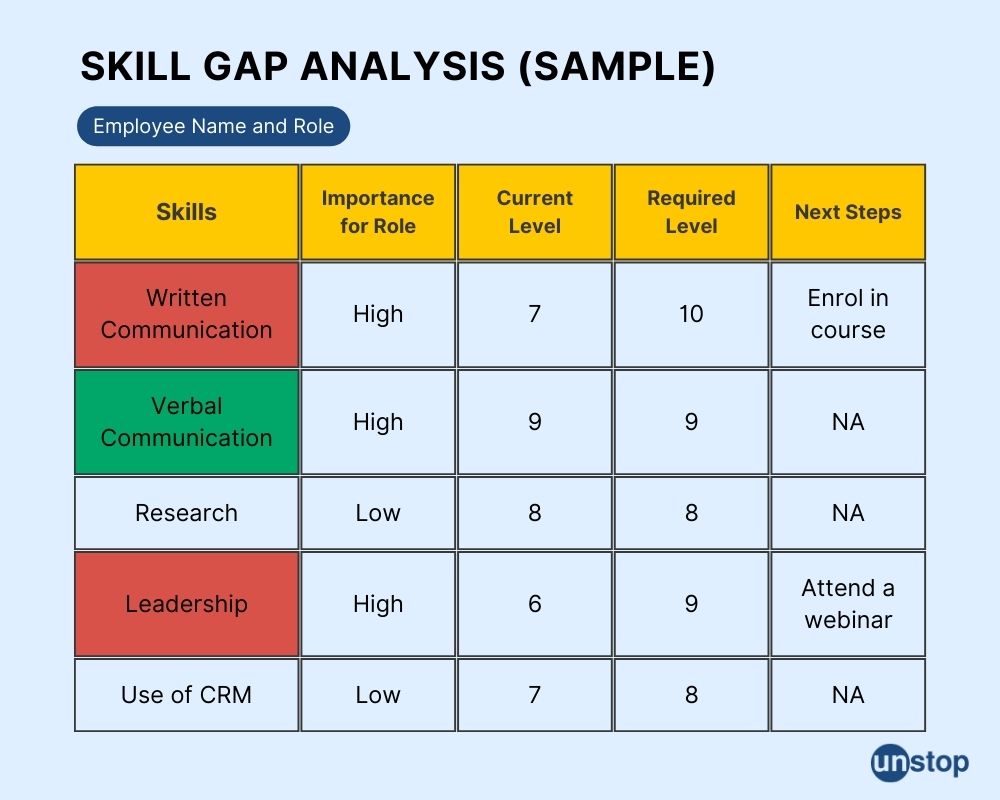 Training and development play a crucial role in enhancing employee support within an organization. By providing employees with the necessary knowledge, skills, and tools to excel in their roles, training programs contribute to a more competent and confident workforce. Additionally, development opportunities help employees feel valued, motivated, and engaged, ultimately leading to higher job satisfaction and retention rates.
Best Practices for Implementing Effective Training Programs
Implementing effective training programs requires careful planning and consideration of various factors. Some best practices to ensure the success of training initiatives include:- Identifying specific learning objectives and goals for each training program to align with organizational needs.
- Utilizing a variety of training methods, such as workshops, online courses, on-the-job training, and mentoring, to cater to different learning styles.
- Providing continuous feedback and support to participants throughout the training process to address any issues or concerns promptly.
- Measuring the effectiveness of training programs through assessments, surveys, and performance evaluations to gauge the impact on employee development.
Examples of Successful Training Initiatives
Successful training initiatives that have bolstered employee support systems include:- Leadership development programs that prepare high-potential employees for future roles and responsibilities within the organization.
- Technical skills training workshops that enhance employees' proficiency in using new technologies or tools required for their job roles.
- Soft skills training sessions focused on improving communication, teamwork, and problem-solving abilities to foster a more collaborative work environment.
- Mentorship programs that pair experienced employees with newer staff members to provide guidance, support, and knowledge sharing opportunities.
Employee Feedback Mechanisms
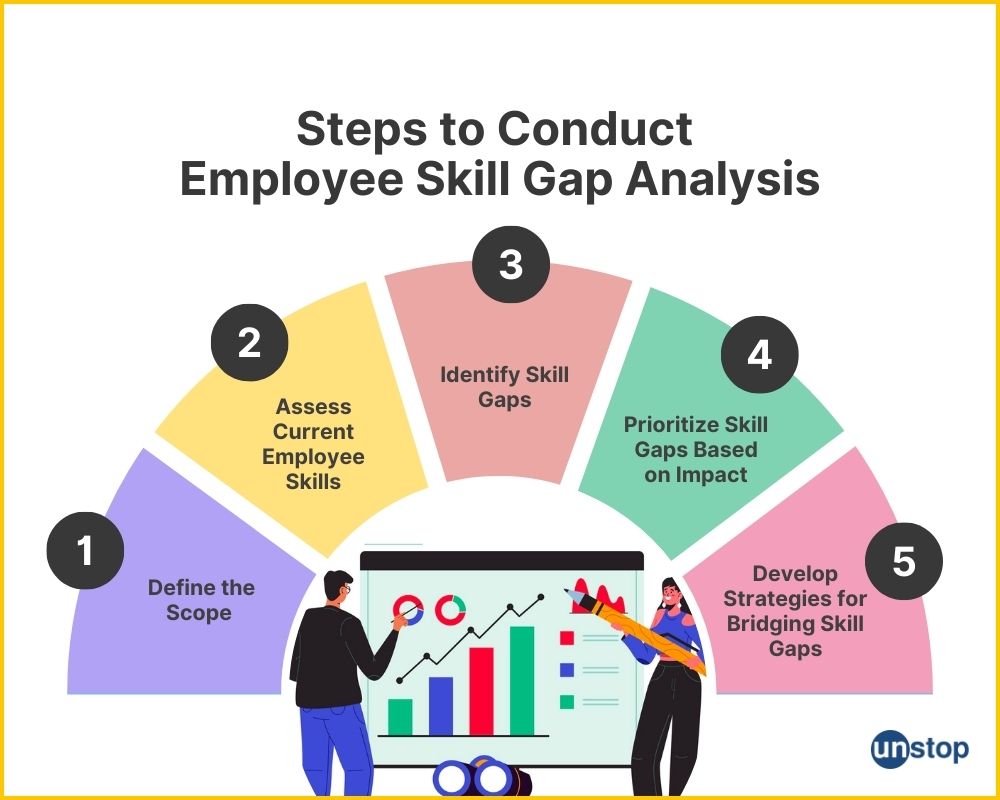 Feedback mechanisms play a crucial role in identifying gaps within an employee support system. By collecting feedback directly from employees, organizations can gain valuable insights into areas that may need improvement, thereby enhancing overall support and satisfaction levels.
Designing a Feedback Survey Template
Creating a feedback survey template specifically tailored to assess employee support is essential for gathering relevant information. Consider including questions related to communication channels, training programs, work environment, and overall satisfaction with the support system. The survey should be concise, easy to understand, and provide space for additional comments to capture more detailed feedback.Analyzing and Utilizing Feedback
Once feedback has been collected, it is crucial to analyze the data effectively to identify patterns or recurring issues. Utilize tools such as data analysis software to organize and interpret the feedback. Look for common themes or areas of concern that can be addressed to improve the employee support system. Additionally, consider sharing the feedback results with relevant stakeholders and creating action plans to implement necessary changes based on the feedback received.Final Thoughts
As we wrap up our discussion on Well B Audits: How to Identify Gaps in Your Employee Support System, remember that continuous improvement is key to fostering a supportive environment. By addressing these gaps, you can create a more resilient and engaged workforce.
FAQ
How do Well B audits contribute to enhancing employee support?
Well B audits help in pinpointing areas of improvement and ensuring a robust support system for employees.
What are some common gaps found in employee support systems?
Common gaps include lack of effective communication, inadequate training programs, and insufficient feedback mechanisms.
How can feedback surveys be utilized to improve the support system?
Feedback surveys provide valuable insights that can be analyzed to make informed decisions and enhance the overall support structure.

![30 Unique Ways to Celebrate Employee Wellbeing Month [Calendar]](https://wellbeing.postingnews.id/wp-content/uploads/2026/02/juneemployeewellbeingmonthcalendar-160531161543-thumbnail-4-120x86.jpg)