As Incentivizing Employee Wellness Month: Rewards That Actually Work takes center stage, this opening passage beckons readers with a captivating overview of the importance of promoting employee wellness and the types of reward systems that drive engagement. It sets the stage for a deep dive into strategies for implementing incentives and the impact of personalized wellness rewards on employee motivation.
Importance of Employee Wellness Programs
Employee wellness programs play a crucial role in promoting a healthy and productive work environment. By investing in the well-being of employees, organizations can reap a multitude of benefits that extend beyond just physical health.
Benefits for Employees and the Organization
- Improved employee health and reduced absenteeism: Wellness programs encourage employees to adopt healthier lifestyle habits, leading to lower rates of illness and absenteeism.
- Enhanced productivity and performance: Healthy employees are more focused, energetic, and motivated, resulting in increased productivity and overall performance.
- Boosted morale and job satisfaction: When employees feel supported and cared for by their organization, morale and job satisfaction levels tend to rise, contributing to a positive company culture.
- Reduced healthcare costs: By preventing illnesses and promoting well-being, wellness programs can help lower healthcare costs for both employees and the organization.
Types of Reward Systems for Employee Wellness
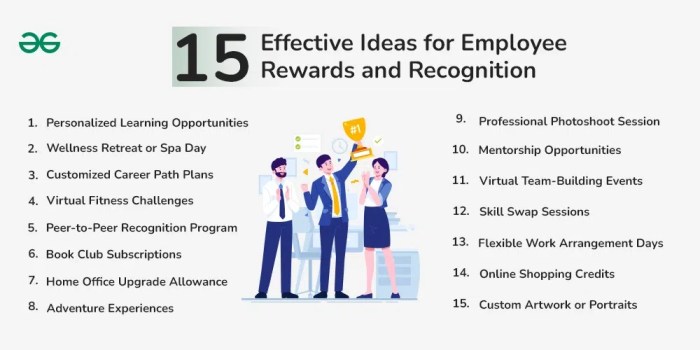 Employee wellness programs are a crucial aspect of fostering a healthy workplace environment. Reward systems play a significant role in incentivizing employees to actively participate in these programs. Let's explore the different types of reward systems commonly used to promote employee wellness and compare their effectiveness.
Monetary Rewards vs. Non-Monetary Rewards
When it comes to incentivizing employee wellness, monetary rewards such as cash bonuses or gift cards are often the go-to option for many organizations. While these incentives can be effective in encouraging participation, they may not always lead to long-term behavior change. On the other hand, non-monetary rewards like extra paid time off, wellness-related merchandise, or personalized wellness experiences can have a more lasting impact on employee engagement and motivation.Non-monetary rewards have the advantage of being more personalized and tailored to individual preferences, making them more meaningful to employees. They also contribute to building a positive company culture centered around employee well-being. In contrast, monetary rewards may feel transactional and less connected to the overall wellness goals of the organization.Creative Reward Ideas
Beyond traditional incentives like cash bonuses or gift cards, organizations can explore creative reward ideas to motivate employees to prioritize their well-being. Some unique reward options include:- Wellness retreats or spa days
- Flexible work hours or remote work options
- Healthy meal delivery services
- Subscription to meditation or fitness apps
- On-site wellness workshops or classes
Implementing Incentives for Wellness Initiatives
![30 Unique Ways to Celebrate Employee Wellbeing Month [Calendar]](https://wellbeing.postingnews.id/wp-content/uploads/2026/02/juneemployeewellbeingmonthcalendar-160531161543-thumbnail-4.jpg "30 Unique Ways to Celebrate Employee Wellbeing Month [Calendar]") Implementing incentive programs for wellness initiatives can significantly boost employee engagement and participation in wellness activities. By offering rewards and recognition for healthy behaviors, organizations can create a culture of well-being within the workplace.
Implementing incentive programs for wellness initiatives can significantly boost employee engagement and participation in wellness activities. By offering rewards and recognition for healthy behaviors, organizations can create a culture of well-being within the workplace.Setting Achievable Goals
- Start by clearly defining the objectives of the wellness program and aligning them with the overall goals of the organization.
- Break down the goals into smaller, achievable targets that employees can work towards on a daily or weekly basis.
- Communicate these goals effectively to employees, highlighting the benefits of participating in the wellness program and the rewards they can earn.
Measuring Success and Feedback
- Utilize data tracking tools to monitor employee engagement, participation rates, and overall progress towards wellness goals.
- Solicit feedback from employees through surveys or focus groups to understand their experiences with the incentive programs and gather suggestions for improvement.
- Regularly review the effectiveness of the incentive programs based on feedback received and make adjustments as needed to ensure maximum impact.
Personalized Wellness Rewards
Personalized wellness rewards are a crucial aspect of incentivizing employee participation and engagement in wellness programs. By tailoring rewards based on individual employee preferences and needs, organizations can create a more inclusive and motivating environment for promoting employee well-being.
Designing Tailored Wellness Rewards
When designing personalized wellness rewards, it is essential to consider the diverse demographics within the organization. Different employee groups may have varying interests, lifestyles, and wellness goals. By understanding these differences, organizations can create a customized reward system that caters to the specific needs of each group.
- Offering a variety of rewards: Implementing a range of wellness rewards such as gym memberships, healthy meal subscriptions, mindfulness apps, or fitness classes can appeal to a diverse set of employee preferences.
- Flexible reward options: Providing options for employees to choose their preferred wellness rewards can enhance motivation and increase participation rates. This flexibility allows individuals to select rewards that align with their personal wellness goals.
- Feedback and surveys: Regularly collecting feedback through surveys or focus groups can help organizations understand employee preferences and make necessary adjustments to the reward system. This continuous feedback loop ensures that wellness rewards remain relevant and effective.
Impact on Employee Motivation
Offering personalized wellness rewards can have a significant impact on employee motivation and participation in wellness initiatives. When employees feel that their individual needs are being recognized and supported, they are more likely to actively engage in wellness programs and take ownership of their well-being.
By aligning wellness rewards with employee preferences, organizations can create a culture of health and well-being that fosters a positive work environment and boosts overall employee morale.
Concluding Remarks
In conclusion, Incentivizing Employee Wellness Month: Rewards That Actually Work offers a comprehensive guide to creating successful wellness programs. By understanding the significance of employee wellness, exploring different reward systems, and implementing personalized incentives, organizations can foster a culture of well-being and productivity.
Quick FAQs
How can investing in employee wellness benefit both employees and the organization?
Investing in employee wellness can lead to higher productivity, improved morale, and a positive company culture, benefiting both employees' well-being and the organization's overall success.
What are some creative reward ideas beyond traditional incentives like gift cards or cash bonuses?
Some creative reward ideas include extra paid time off, wellness retreats, fitness trackers, or sponsored gym memberships to incentivize employee participation in wellness activities.
How can organizations measure the success of incentive programs for wellness initiatives?
Organizations can measure success by tracking participation rates, employee feedback, health improvements, and overall engagement levels in wellness programs. Adjustments can be made based on this feedback to enhance program effectiveness.

![30 Unique Ways to Celebrate Employee Wellbeing Month [Calendar]](https://wellbeing.postingnews.id/wp-content/uploads/2026/02/juneemployeewellbeingmonthcalendar-160531161543-thumbnail-4-120x86.jpg)