As Well B for Executives: Managing Stress at the C-Suite Level takes center stage, this opening passage beckons readers with a captivating overview of stress management strategies tailored for high-level executives. This article delves into the impact of stress on executive performance and decision-making, offers insights into effective stress management techniques, and explores the significance of well-being programs for C-Suite executives.
Understanding Stress in the C-Suite
Stress in the C-Suite refers to the high levels of pressure and demands experienced by executives at the topmost levels of an organization. These individuals are responsible for making crucial decisions, leading teams, and driving the organization's success, which can lead to immense stress.Common Stressors Faced by Executives at the C-Suite Level
- Constant Pressure: C-Suite executives are under constant pressure to meet targets, deliver results, and ensure the overall success of the organization.
- Long Hours: Executives often work long hours, including weekends and holidays, to stay on top of their responsibilities.
- High Expectations: The expectations placed on C-Suite executives are extremely high, leading to a fear of failure and a drive for perfection.
- Uncertainty: Executives must navigate a high level of uncertainty in the business environment, including market fluctuations, regulatory changes, and internal challenges.
Impact of Stress on Executive Performance and Decision-Making
- Decreased Productivity: High levels of stress can lead to decreased productivity, as executives may struggle to focus and make effective decisions.
- Health Issues: Chronic stress can have a detrimental impact on physical and mental health, leading to issues like burnout, anxiety, and depression.
- Poor Decision-Making: Stress can cloud judgment and impair decision-making abilities, potentially leading to costly mistakes or missed opportunities.
- Impact on Team Dynamics: Executives under stress may exhibit negative behaviors that impact team morale and cohesion, affecting overall performance.
Strategies for Managing Stress
Managing stress at the C-Suite level requires a unique set of strategies tailored to the high-pressure corporate environment. Executives need effective tools to navigate the challenges that come with their roles while maintaining their well-being.
Mindfulness and Meditation
One approach to stress management for C-Suite executives is the practice of mindfulness and meditation. These techniques help individuals stay present, focused, and calm in the face of intense pressure. By incorporating mindfulness into their daily routines, executives can enhance their decision-making abilities and reduce stress levels.
Physical Exercise and Wellness Programs
Implementing physical exercise and wellness programs in the workplace can also be an effective strategy for managing stress. Regular exercise not only improves physical health but also boosts mental well-being. C-Suite executives can benefit from incorporating exercise into their schedules to alleviate stress and increase productivity.
Work-Life Balance Initiatives
Promoting work-life balance initiatives within the organization can help C-Suite executives manage stress more effectively. Encouraging boundaries between work and personal life, providing flexible work arrangements, and promoting time off can contribute to a healthier work environment for executives.
Importance of Well-being Programs
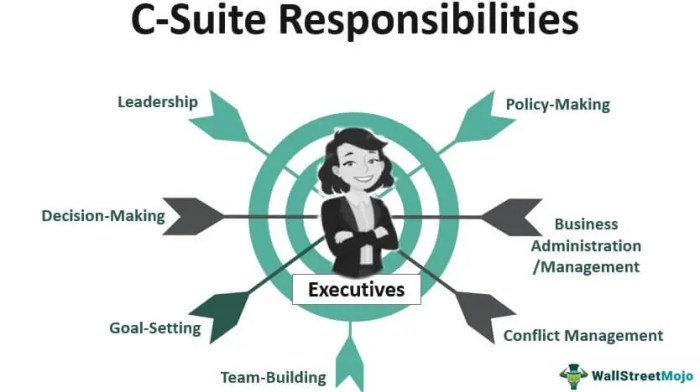
Well-being programs are crucial for C-Suite executives to effectively manage stress and maintain their overall health and performance. These programs are designed to address the unique challenges faced by top-level executives and provide them with the necessary tools and resources to enhance their well-being.
Key Components of a Comprehensive Well-being Program
- Health Assessments: Regular health assessments help identify any underlying health issues and allow executives to take proactive measures.
- Physical Wellness Initiatives: Programs promoting physical activities, healthy eating, and access to fitness facilities can improve executives' physical health.
- Mental Health Support: Providing access to mental health resources, counseling services, and stress management techniques is essential for addressing the psychological aspects of well-being.
- Work-Life Balance: Encouraging a healthy balance between work and personal life can prevent burnout and improve overall satisfaction.
- Professional Development: Offering opportunities for skill development, leadership training, and career advancement can contribute to executives' sense of fulfillment and well-being.
ROI of Investing in Well-being Initiatives
Investing in well-being programs for C-Suite executives can yield significant returns for organizations. By prioritizing the health and well-being of top-level leaders, companies can experience:
- Increased Productivity: Healthier and happier executives are more productive and effective in their roles, leading to improved organizational performance.
- Reduced Turnover: Executives who feel supported and valued are more likely to stay with the company, reducing turnover costs and ensuring leadership continuity.
- Enhanced Reputation: Demonstrating a commitment to the well-being of executives can enhance the organization's reputation as an employer of choice, attracting top talent.
- Cost Savings: Investing in preventive health measures can reduce healthcare costs associated with treating chronic conditions and absenteeism.
Balancing Work and Personal Life
Striking a balance between work and personal life is crucial for C-Suite executives to maintain overall well-being and performance. The demands of high-level positions often blur the lines between professional and personal time, leading to increased stress and burnout.
Challenges in Maintaining Work-Life Balance
- The pressure to constantly be available and responsive due to the 24/7 nature of executive roles.
- The temptation to bring work home or prioritize work tasks over personal commitments.
- The difficulty in disconnecting from work mentally, even during off-hours.
Strategies for Integrating Work and Personal Life
- Establishing clear boundaries between work and personal time to prevent overlap.
- Delegate tasks effectively to trusted team members to alleviate workload and free up personal time.
- Schedule regular breaks and vacations to recharge and spend quality time with family and friends.
Real-Life Examples of Successful Work-Life Balance
- Sheryl Sandberg, the COO of Facebook, prioritizes leaving work at a reasonable hour to be present for her children's bedtime.
- Tim Cook, the CEO of Apple, starts his day early to exercise and have personal time before diving into work responsibilities.
- Indra Nooyi, the former CEO of PepsiCo, emphasizes the importance of setting aside time for hobbies and personal interests outside of work.
Wrap-Up
In conclusion, Well B for Executives: Managing Stress at the C-Suite Level provides a comprehensive guide to maintaining a healthy work-life balance while excelling in high-pressure corporate environments. By understanding stress in the C-Suite, exploring effective management strategies, and emphasizing the importance of well-being programs, executives can navigate challenges with resilience and success.
Commonly Asked Questions
What are some common stressors faced by executives at the C-Suite level?
Common stressors include high expectations, intense decision-making, and constant pressure to perform.
How can executives integrate work and personal life effectively at the C-Suite level?
Executives can prioritize self-care, delegate tasks, and set boundaries to achieve a healthy work-life balance.

![30 Unique Ways to Celebrate Employee Wellbeing Month [Calendar]](https://wellbeing.postingnews.id/wp-content/uploads/2026/02/juneemployeewellbeingmonthcalendar-160531161543-thumbnail-4-120x86.jpg)