Exploring The Ultimate Checklist for a Successful Employee Wellness Month, this introduction aims to provide a comprehensive guide on how organizations can prioritize employee well-being through engaging initiatives and effective planning.
It will cover the importance of employee wellness, planning strategies, wellness activities, communication tactics, and methods to evaluate success.
Importance of Employee Wellness Month
Dedicating a month to employee wellness is crucial as it highlights the value of prioritizing the well-being of employees. By focusing on wellness initiatives for an entire month, organizations can bring awareness to the importance of mental, physical, and emotional health in the workplace.
Impact on Workplace Productivity
Promoting employee well-being can significantly enhance workplace productivity. When employees are healthy and happy, they are more engaged, motivated, and focused on their tasks. This leads to higher levels of productivity and efficiency within the organization.
Employee Morale and Engagement
Employee Wellness Month plays a vital role in boosting employee morale and engagement. When organizations invest in the wellness of their employees, it creates a positive work environment where individuals feel valued and supported. This, in turn, leads to higher levels of engagement, job satisfaction, and loyalty among employees.
Planning for Employee Wellness Month
To ensure a successful Employee Wellness Month, organizations need to plan effectively and involve employees in the process. Setting clear goals and objectives for the month is crucial to drive engagement and participation.Steps for Planning a Successful Employee Wellness Month
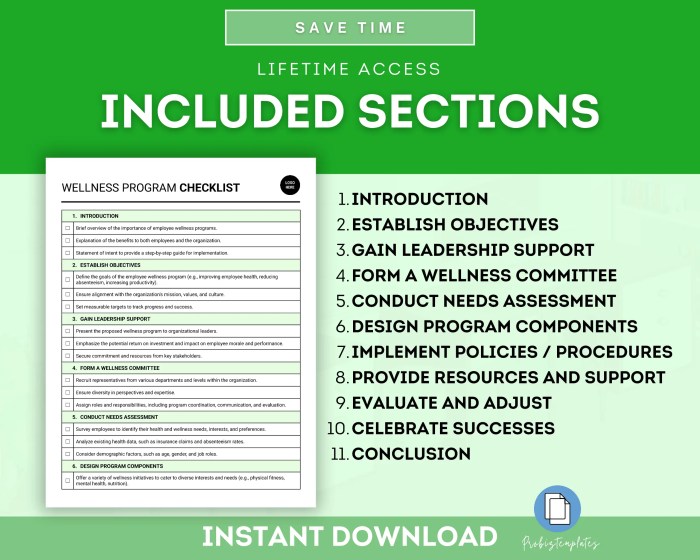
- Form a Wellness Committee: Establish a team responsible for organizing activities and initiatives for the month.
- Conduct a Needs Assessment: Gather feedback from employees to understand their wellness interests and preferences.
- Develop a Calendar of Events: Plan a variety of activities such as fitness classes, mental health workshops, and healthy cooking demonstrations.
- Secure Budget and Resources: Allocate funds and resources needed to execute the planned events and initiatives.
- Promote Communication: Keep employees informed about upcoming events through emails, posters, and internal communication channels.
Involving Employees in the Planning Process
- Solicit Feedback: Encourage employees to share their ideas and suggestions for wellness activities they would like to see during the month.
- Create Volunteer Opportunities: Allow employees to volunteer to help organize and lead wellness events, fostering a sense of ownership and engagement.
- Seek Participation: Encourage employees to actively participate in planning meetings and provide input on the activities being organized.
Importance of Setting Clear Goals and Objectives
Setting clear goals and objectives for Employee Wellness Month helps align the organization's wellness initiatives with its overall objectives, ensuring that activities are meaningful and impactful.
- Enhances Focus: Clear goals provide direction and clarity on what the organization aims to achieve through the wellness month.
- Measures Success: Defined objectives allow for the measurement of the effectiveness of the wellness initiatives and the impact on employee well-being.
- Engages Employees: Transparent goals and objectives create a sense of purpose and motivation for employees to actively participate in the activities.
Wellness Activities and Initiatives
 Wellness activities and initiatives play a crucial role in promoting a healthy and positive work environment during Employee Wellness Month. These activities not only improve employee morale and engagement but also contribute to overall well-being. Tailoring these activities to cater to employees with diverse interests and needs is essential to ensure maximum participation and benefit.
Physical Wellness
- Organize group fitness classes such as yoga, pilates, or Zumba.
- Implement walking challenges or encourage employees to participate in a charity run.
- Set up standing desks or ergonomic assessments to promote better posture and reduce physical strain.
- Provide healthy snacks and meals options in the workplace.
Mental Wellness
- Host mindfulness and meditation sessions to help employees reduce stress and improve focus.
- Offer workshops on stress management, resilience, and work-life balance.
- Encourage open communication and provide resources for mental health support.
Emotional Wellness
- Organize team-building activities to foster connections and camaraderie among employees.
- Implement gratitude practices or journaling exercises to promote positive thinking.
- Provide access to counseling services or employee assistance programs for emotional support.
Communication and Promotion Strategies
Effective communication and promotion strategies are crucial for the success of Employee Wellness Month. Engaging employees and creating excitement around wellness initiatives require thoughtful planning and execution. Let's explore some key strategies to ensure maximum participation and impact.Utilize Multiple Communication Channels
- Utilize a variety of communication channels such as email, intranet, posters, and social media to reach employees at different touchpoints.
- Ensure that messaging is consistent across all channels to avoid confusion and reinforce key wellness messages.
- Consider hosting town hall meetings or webinars to kick off Employee Wellness Month and provide a platform for interactive discussions.
Personalized Communication
- Personalize communication by addressing employees by name and tailoring messages to their specific interests and needs.
- Encourage two-way communication by inviting feedback, suggestions, and success stories from employees to create a sense of ownership and involvement.
- Highlight the benefits of participating in wellness activities and initiatives to motivate employees to take action.
Engagement Activities
- Organize fun and engaging activities such as wellness challenges, virtual fitness classes, healthy cooking demonstrations, and mindfulness sessions to keep employees excited and involved throughout the month.
- Create friendly competitions or team challenges to foster camaraderie and a sense of community among employees.
- Recognize and reward employee participation and achievements to incentivize continued engagement and make employees feel valued.
Role of Internal Communication Channels
- Internal communication channels such as newsletters, bulletin boards, and team meetings play a vital role in spreading awareness about Employee Wellness Month.
- Ensure that all departments and teams are informed about upcoming wellness activities and initiatives to encourage organization-wide participation.
- Provide regular updates and reminders through internal communication channels to keep employees informed and engaged throughout the month.
Evaluating Success and Gathering Feedback
After Employee Wellness Month initiatives have been implemented, it is crucial to evaluate their success and gather feedback from employees to ensure continuous improvement and measure the impact on employee well-being.
Methods to Measure Success
One method to measure the success of Employee Wellness Month initiatives is to track participation rates in wellness activities and programs. This can be done through sign-up sheets, attendance records, or online surveys.
Another way to measure success is to analyze changes in key metrics such as employee satisfaction, productivity levels, absenteeism rates, and overall engagement before and after the month-long initiatives.
Importance of Collecting Feedback
- Collecting feedback from employees is crucial as it provides valuable insights into their experiences, preferences, and areas for improvement.
- Feedback allows organizations to understand what worked well during Employee Wellness Month and what can be enhanced or modified in the future to better support employee well-being.
- Employees' feedback also helps in creating a more inclusive and engaging wellness program that caters to their specific needs and interests.
Analyzing Data and Feedback
Once feedback has been collected, it is essential to analyze the data to assess the impact of the month on employee well-being. This can be done by categorizing feedback based on themes, identifying common trends or patterns, and prioritizing areas for improvement.
Feedback data can also be compared with pre-established goals and objectives to determine whether the Employee Wellness Month initiatives were successful in achieving the desired outcomes.
Final Summary
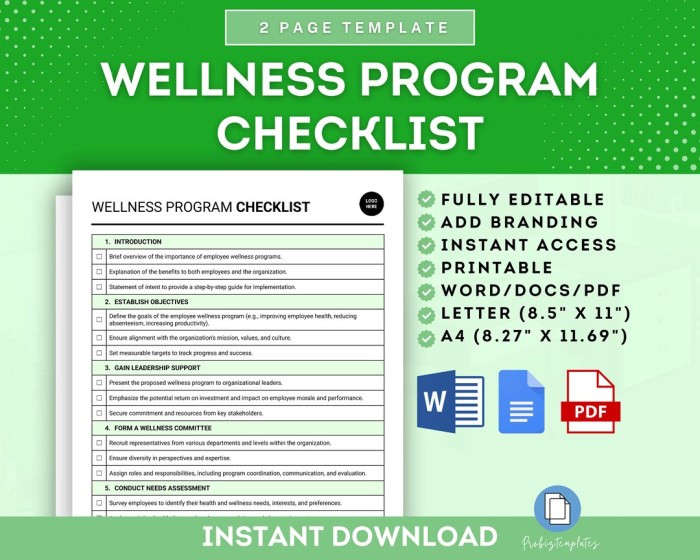
In conclusion, implementing The Ultimate Checklist for a Successful Employee Wellness Month can not only enhance workplace productivity but also boost employee morale and engagement, creating a positive and healthy work environment for all.
FAQ Corner
Why is dedicating a month to employee wellness beneficial?
Devoting a specific month to employee wellness allows organizations to focus on promoting well-being, which can lead to improved productivity and employee satisfaction.
How can organizations involve employees in planning for Employee Wellness Month?
Organizations can engage employees by seeking their input on preferred activities, wellness initiatives, and by forming a planning committee that includes representatives from different departments.
What are some examples of wellness activities suitable for Employee Wellness Month?
Wellness activities can range from yoga sessions and meditation workshops to health screenings and mental health awareness seminars, catering to diverse employee interests and needs.
How can organizations effectively communicate and promote Employee Wellness Month?
Effective communication strategies include using multiple channels such as email, posters, and team meetings to promote upcoming events, while creating excitement through contests, challenges, or rewards for participation.
Why is it important to collect feedback from employees after Employee Wellness Month?
Collecting feedback allows organizations to understand what worked well, areas for improvement, and overall employee satisfaction, enabling them to make necessary adjustments for future wellness initiatives.

![30 Unique Ways to Celebrate Employee Wellbeing Month [Calendar]](https://wellbeing.postingnews.id/wp-content/uploads/2026/02/juneemployeewellbeingmonthcalendar-160531161543-thumbnail-4-120x86.jpg)